
Coconut waste can be turned to a plant-based protein milk alternative.
A by-product often discarded during virgin coconut oil (VCO) production could become a valuable source of plant-based protein. This was what a research team from UP Diliman (UPD) uncovered when they looked for ways to turn coconut skim milk into a potential ingredient for more sustainable food products.
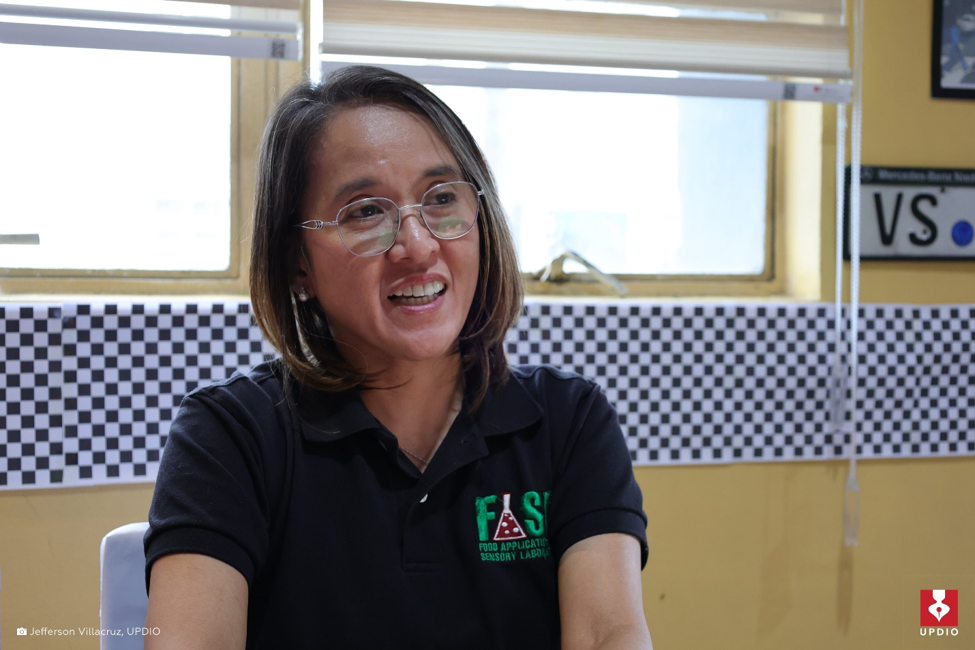
Casiana Blanca J. Villarino, PhD, a professor at the UPD Department of Food Science and Nutrition led the team in the study Upcycled Coconut Protein as a Sustainable Ingredient for a Novel Hybrid Plant-Based Milk Alternative with Chickpea Protein. This was published in the International Journal of Food Science and Technology on 13 Aug. 2026.
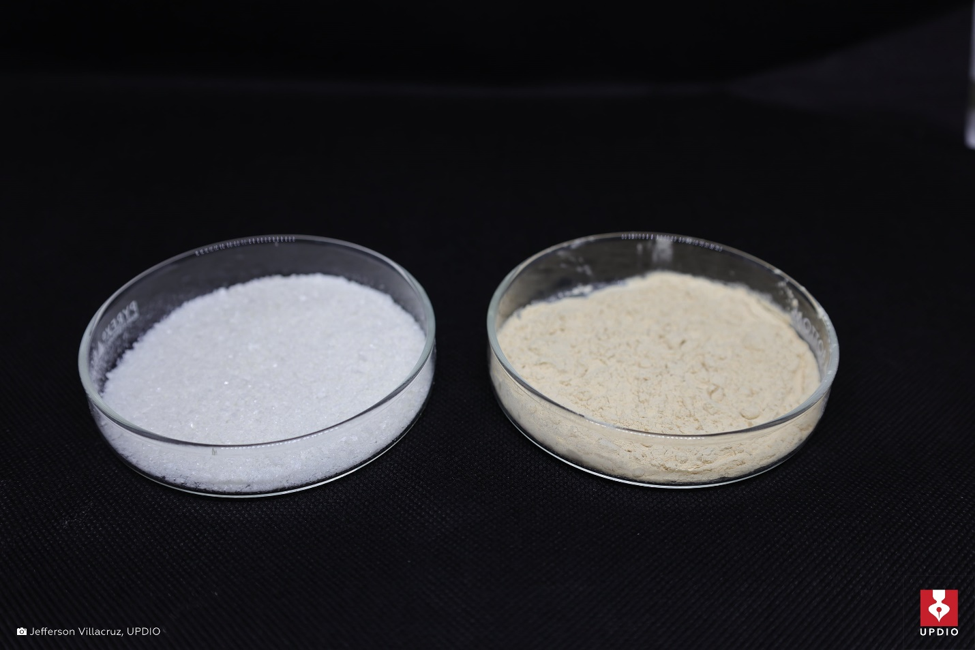
The research study explored how coconut skim milk can be processed into coconut protein concentrate and when combined with chickpea protein, can be developed to a plant-based milk alternative or what the team called the hybrid plant-based milk alternative (hPBMA).
Coconut skim milk, in particular, presents an opportunity for recovery and reuse. Villarino said approximately 800 grams of the by-product (coconut skim milk) are generated for every kilogram of VCO produced, highlighting the potential benefits of finding a productive use for this material.
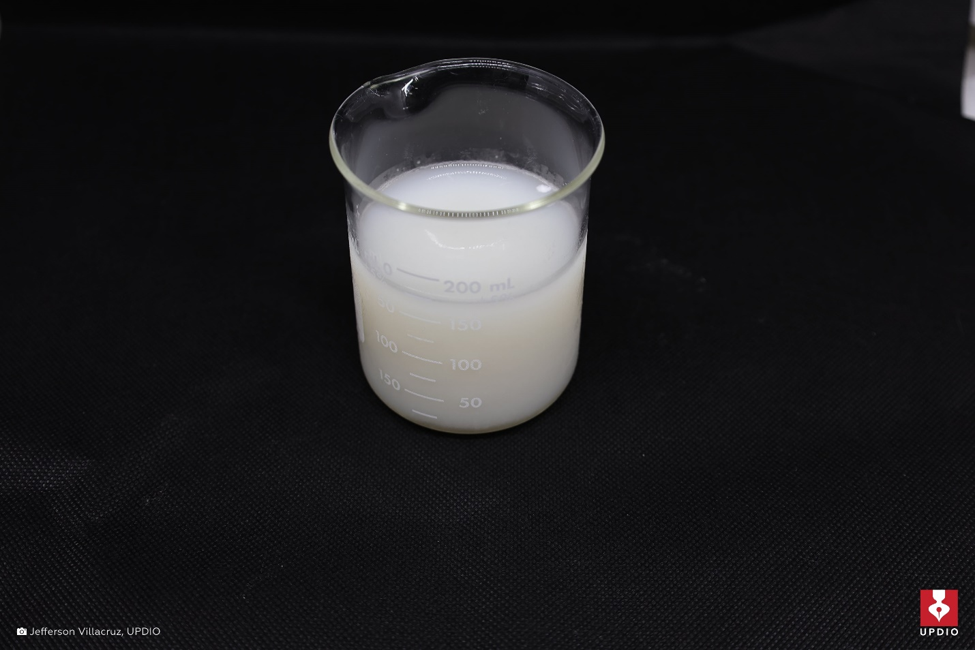
On a dry-weight basis, coconut skim milk contains more than 30% protein. Its nutritional components, including minerals and compounds with antioxidant properties, further underscore its potential as a food ingredient.
“Technically tinatapon lang talaga siya, kaya sayang. May minerals and antioxidant property siya, so why not utilize it? Ang isang utilization ay coconut protein concentrate,” said Villarino.
The project grew out of Villarino’s earlier research studies on the sensory properties of VCO and a subsequent study aimed at upgrading the Philippine National Standards for the product.
Through their engagement with VCO producers, the researchers identified the substantial amount of waste generated during production as a problem that warranted further investigation.
Among the by-products were coconut husks, mature coconut water, coconut skim milk, and coconut residue, commonly known as sapal. According to Villarino, when not properly managed, these materials can contribute to unpleasant odors, greenhouse gas emissions, and water pollution.
To develop a protein concentrate, the team partnered with the Quezon Federation and Union of Cooperatives in Pagbilao, Quezon, which supplied coconut skim milk for the study.
The coconut skim milk easily spoils without proper handling. As a pretreatment procedure to preserve its quality, this is pasteurized soon after collection and frozen until it is needed for processing.
The researchers then extract the protein through a series of processing steps, including centrifugation and freeze-drying, to produce a powdered coconut protein concentrate.
The resulting ingredient is combined with chickpea protein to become the hPBMA. Using a mixture-design approach, the team tested different proportions of the two protein sources to identify a formulation with acceptable sensory and color properties.
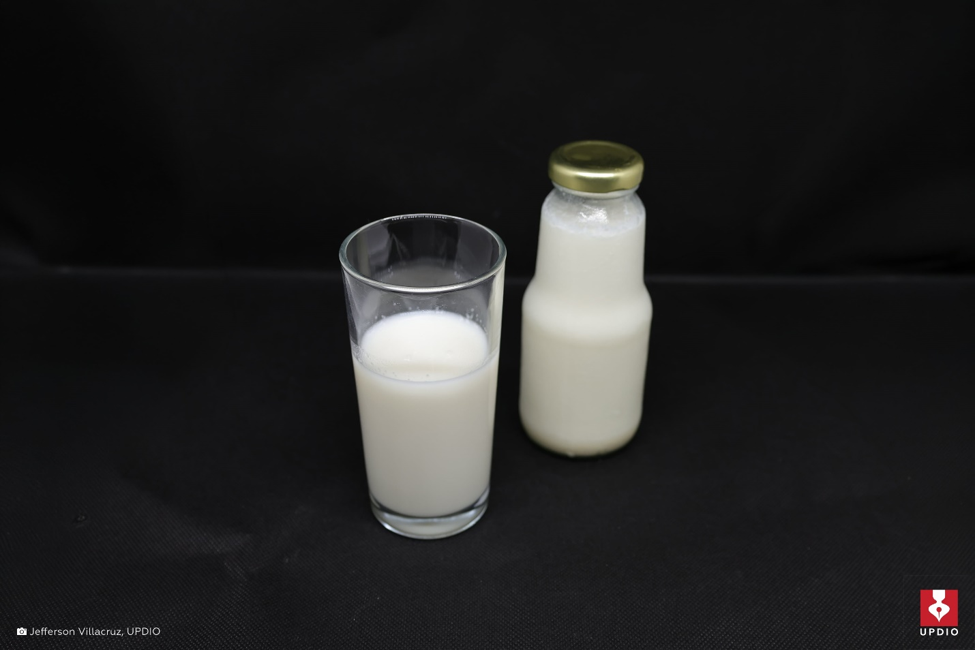
The study identified an optimal formulation containing 34% coconut protein concentrate and 66% chickpea protein. The resulting beverage contained 2.47 grams of protein per 100 grams and had a flavor profile resembling soy milk, with detectable coconut aroma notes.
The team also conducted storage tests to assess the product’s stability. Based on microbiological and physicochemical analyses, the milk alternative remained stable for almost two months under refrigerated conditions.
Based on the storage study, Villarino said the product has a shelf life of around 56 days.
Sensory evaluation provided further insight into the product’s acceptability. Participants detected a coconut aroma but found its coconut flavor relatively subtle, while the chickpea component contributed a more pronounced soy-like flavor.
The researchers found that combining coconut protein concentrate with chickpea protein produced a more acceptable beverage than using either ingredient alone.
Although further study is still needed to improve the beverage’s sensory characteristics and establish its commercial feasibility that is comparable to those that use soy protein concentrates and isolates, the study’s findings demonstrated a high potential for coconut protein concentrate as an ingredient for developing protein-enriched plant-based foods.
By finding a use for a by-product that would otherwise be discarded, the research could help reduce waste from coconut processing while creating opportunities to develop higher-value products from locally available resources.
The study was funded by the UK Department for Science Innovation and Technology in partnership with the British Council, and by the Department of Science and Technology-Philippine Council for Industry, Energy, and Emerging Technology Research and Development.