
Elaiza Helen V. Gulapa, UP Diliman Information Office correspondent
Biking has gained popularity in the Philippines over the past few years, peaking during the pandemic. However, safety remains a major concern among cyclists.
Such concerns raise a serious question: Are existing bike lanes well designed to provide safe and comfortable transportation?
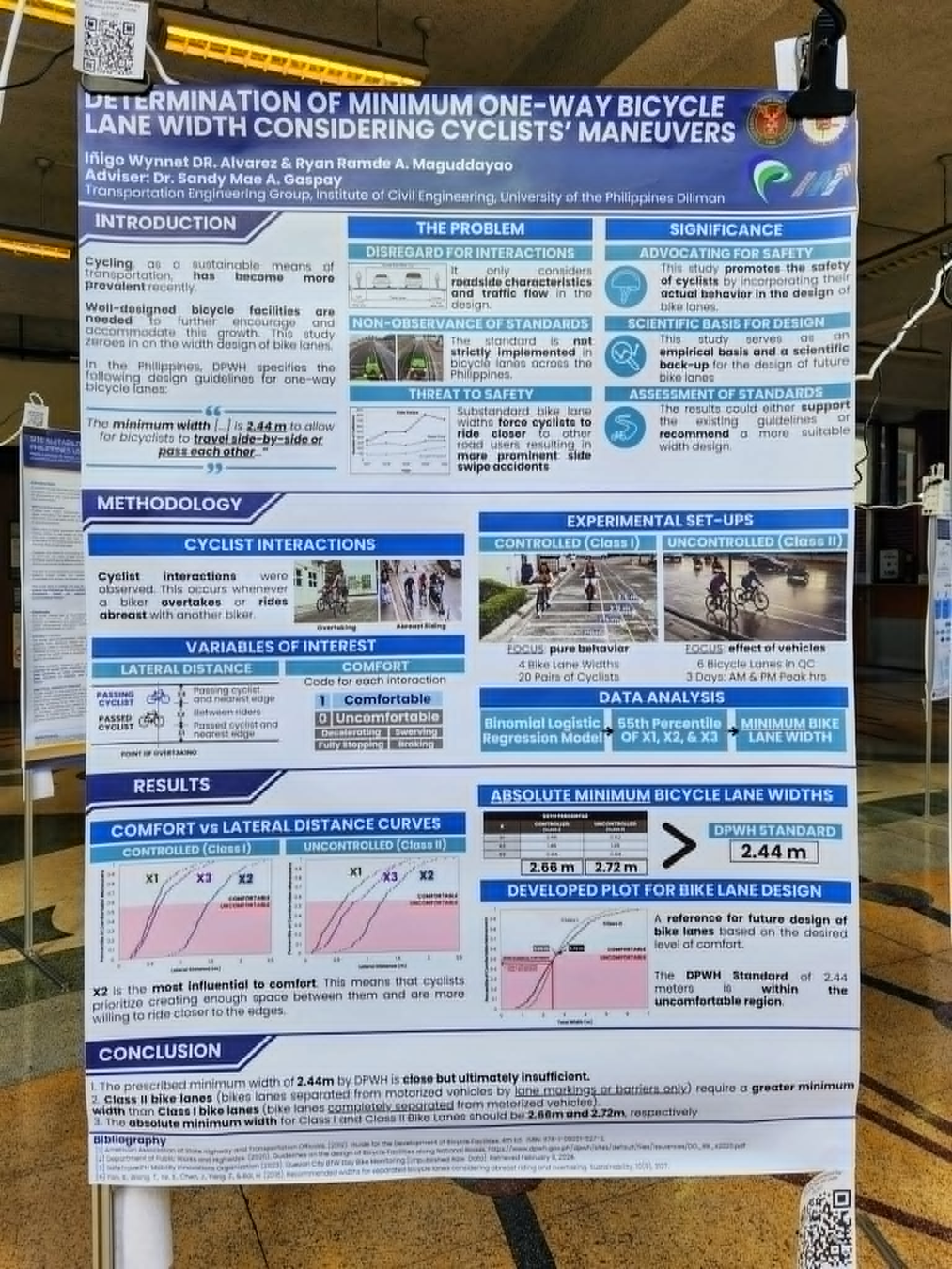
This question is at the core of the study, Determination of Minimum One-Way Bicycle Lane Width Considering Cyclists’ Maneuvers by Iñigo Wynnet Alvarez, Ryan Ramde Maguddayao, and Sandy Mae Gaspay, PhD.
Alvarez is a civil engineering teaching associate at the UP Diliman (UPD) Institute of Civil Engineering (ICE), Maguddayao, is a member of the Transportation Science Society of the Philippines under the UPD National Center for Transportation Studies (NCTS), and Gaspay is associate professor at ICE and research fellow at the NCTS.
The study focused on bike lanes for manual bicycles and sought to establish an empirical basis for Quezon City’s bike lane widths by accounting for cyclists’ interactions. It particularly focused on factors such as abreast riding and overtaking maneuvers to ensure cyclists’ safety and comfort.
For the researchers, the study was personal. Alvarez recalled his own unsafe biking experience, which prompted him to conduct the study.
“I felt na hindi safe [ang bike lane widths]. Although [there are] provisions of bike lanes, hindi ko pa rin siya na-feel na safe,” he said in an interview with UPDate Online.
Meanwhile, Maguddayao is looking into the effectiveness of the current bike lane infrastructure and raised concerns about whether bike lanes truly meet cyclists’ needs or are merely present for the sake of having a bike lane on the road.

“‘Iyong design ba na meron tayo ngayon, did it consider [the safety of] the cyclist or ginawa lang siya to consider its place in the roads [that prioritize] cars? So, para kanino ba iyong bicycle lanes?”
Gaspay pointed out that while many cyclists have flagged safety concerns, there is a lack of evidence to support calls for improved infrastructure.
In 2020, the Department of Public Works and Highways (DPWH) prescribed a minimum width of 2.44 meters for one-directional, separated bicycle lanes, following standards from the Association of State Highway and Transportation Officials. However, the researchers believe it is also important to focus on local cyclists’ actual experiences before adopting international standards.
“Importante na maintindihan natin iyong atin. Kumbaga, paano ba nagbe-behave iyong cyclist naman natin?” Gaspay said.
The study examined two of the three DPWH bike lane classifications, specifically Class I and Class II. Class I lanes are completely separated from other vehicles, often located in open spaces or on sidewalks, while Class II lanes are separated from motor vehicles by pavement markings or physical barriers.
Using both controlled and uncontrolled environments for testing, the researchers found that the DPWH’s 2.44-meter standard is “ultimately insufficient.”
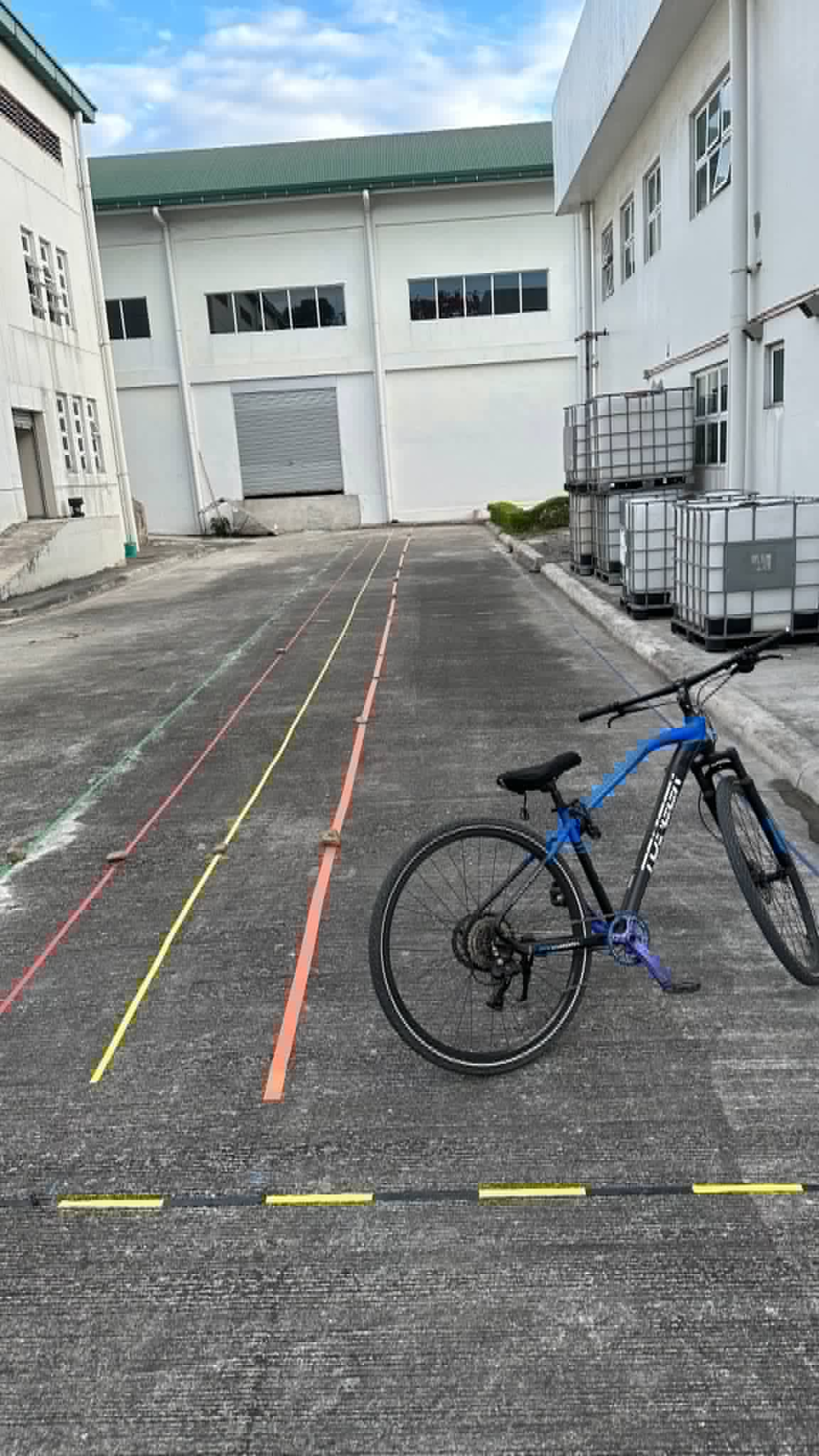
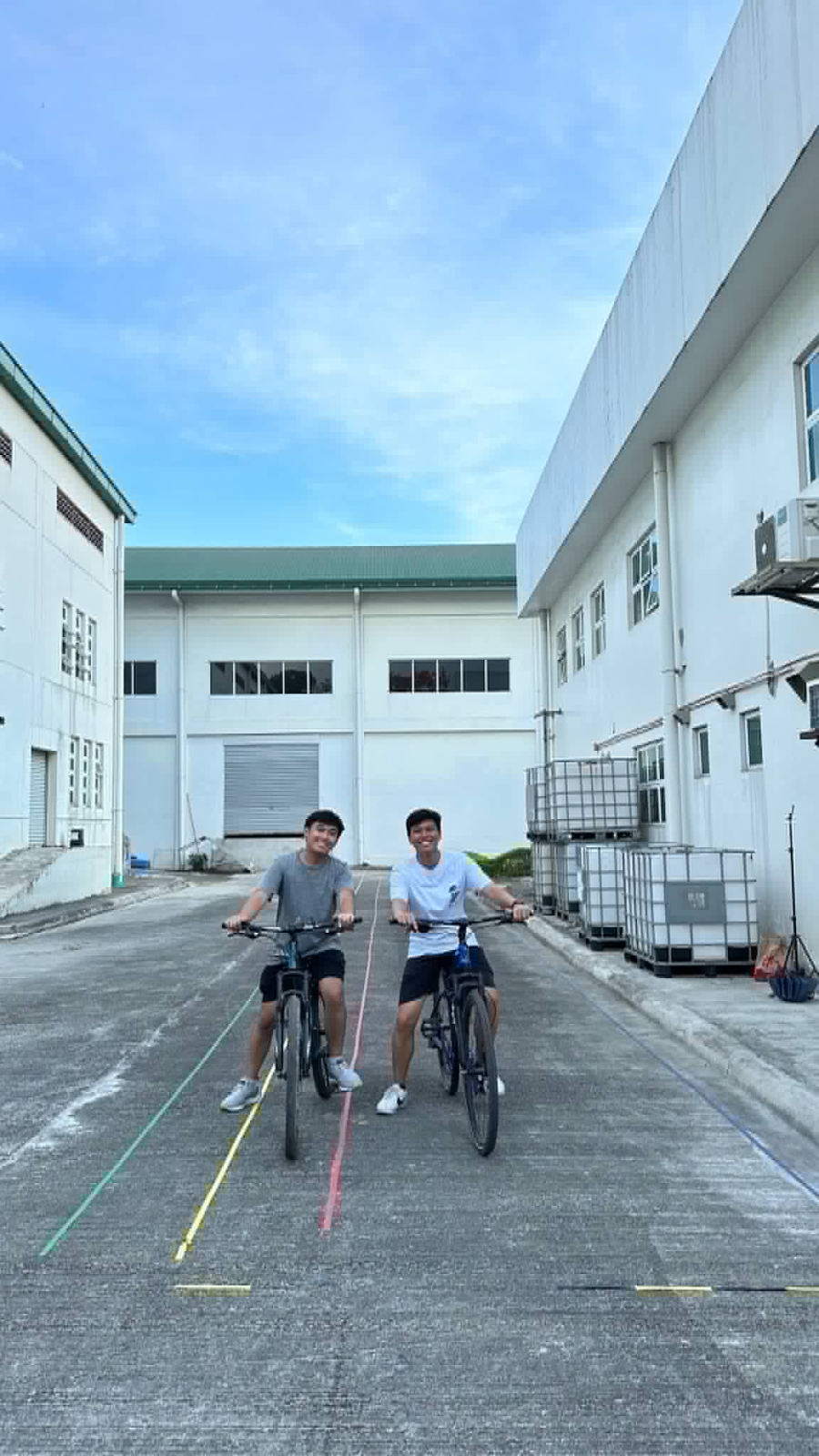
“It fails to consider the increased space requirement necessary in allowing comfortable interactions between cyclists,” the study stated.
Based on the results, the study suggests increasing the absolute minimum widths to 2.66 meters for Class I lanes and 2.72 meters for Class II lanes.
Gaspay emphasized that the study also showed how cyclists prioritize avoiding collisions with other cyclists. They tend to move closer to the edge of the lane near motor vehicles, thereby increasing their exposure to potential danger.
The study also added that while protective barriers are important for cyclists, as these make cyclists feel safe and protected during maneuvers, they “can reduce comfortable overtaking space.”
Gaspay outlined several recommendations to improve cycling safety and overall user experience.
She emphasized the importance of installing barriers to better protect cyclists, noting that bike lanes are often encroached upon by other road users despite being designated exclusively for bicycles. She also pointed out the need to examine the pavement condition of bike lanes.
“Kasi minsan maraming cracks, maraming potholes, maraming butas in the bike lane. So, ang nangyayari iyong cyclists hindi rin nila ginagamit iyong bike lane. Tapos pupunta na naman sila dito sa mga sasakyan kasi iiwasan nila.” she emphasized.
Gaspay also added that in most studies, the profile of cyclists in Metro Manila consists largely of male blue-collar workers. With this in mind, it is important to consider such variables in designing better bike lanes.
“Why don’t we have more women? Why don’t we have more iba’t ibang profile na nagsa-cycling? So, I think it’s because hindi ito comfortable,” she added.
Meanwhile, for Alvarez and Maguddayao, understanding how local cyclists behave, move, and interact on the road is important for designing better, safe, and effective infrastructure.
“We need to do this meticulously. Iyong dapat from experiences talaga ng cyclist iyong initiatives natin.” Maguddayao said.
“As we build more infrastructure, dapat i-ensure natin na we’re doing it right. Dapat from the ground up, dapat fit siya to the users. Hindi lang tayo basta-basta dapat nagbibigay ng solution na hindi naman pala fit in the first place,” Alvarez added.
The researchers conducted the study without assurance that the DPWH would review or adjust its standards, but it served as a starting point for creating a safer, more efficient environment for cyclists.
The researchers added that the study may be a small step for now, but it is a start toward bigger changes in the Philippines’ transportation system.
In 2025, they were able to present the study at the 16th International Conference of the Eastern Asia Society for Transportation Studies in Surakarta, Indonesia.
Presently, Maguddayao said, “the most important thing for us [now] is to know what we want and [to make] our voices heard.” They want, in time, the designs of the country’s transportation infrastructure to be well structured, efficient, and safe for its users.